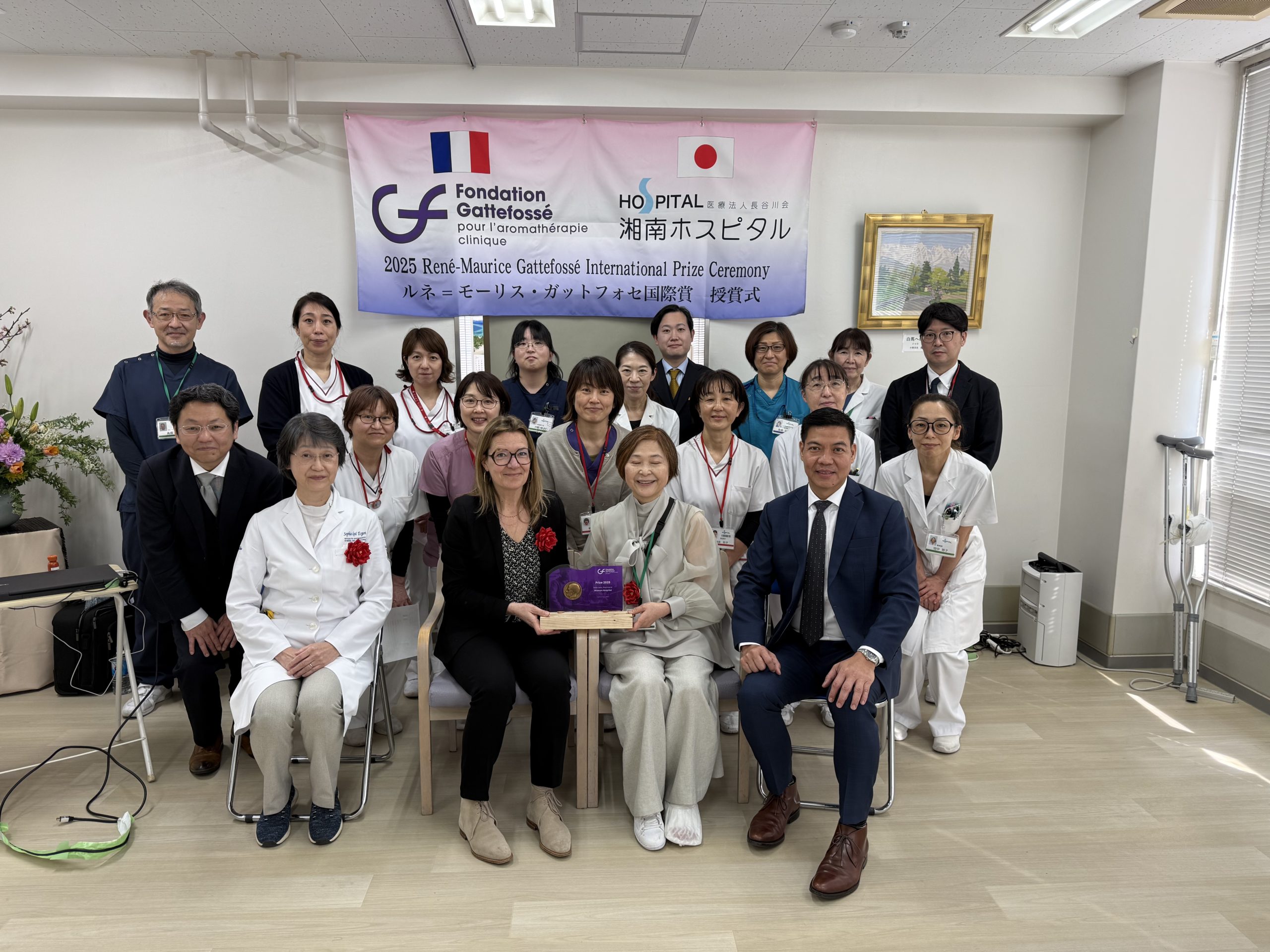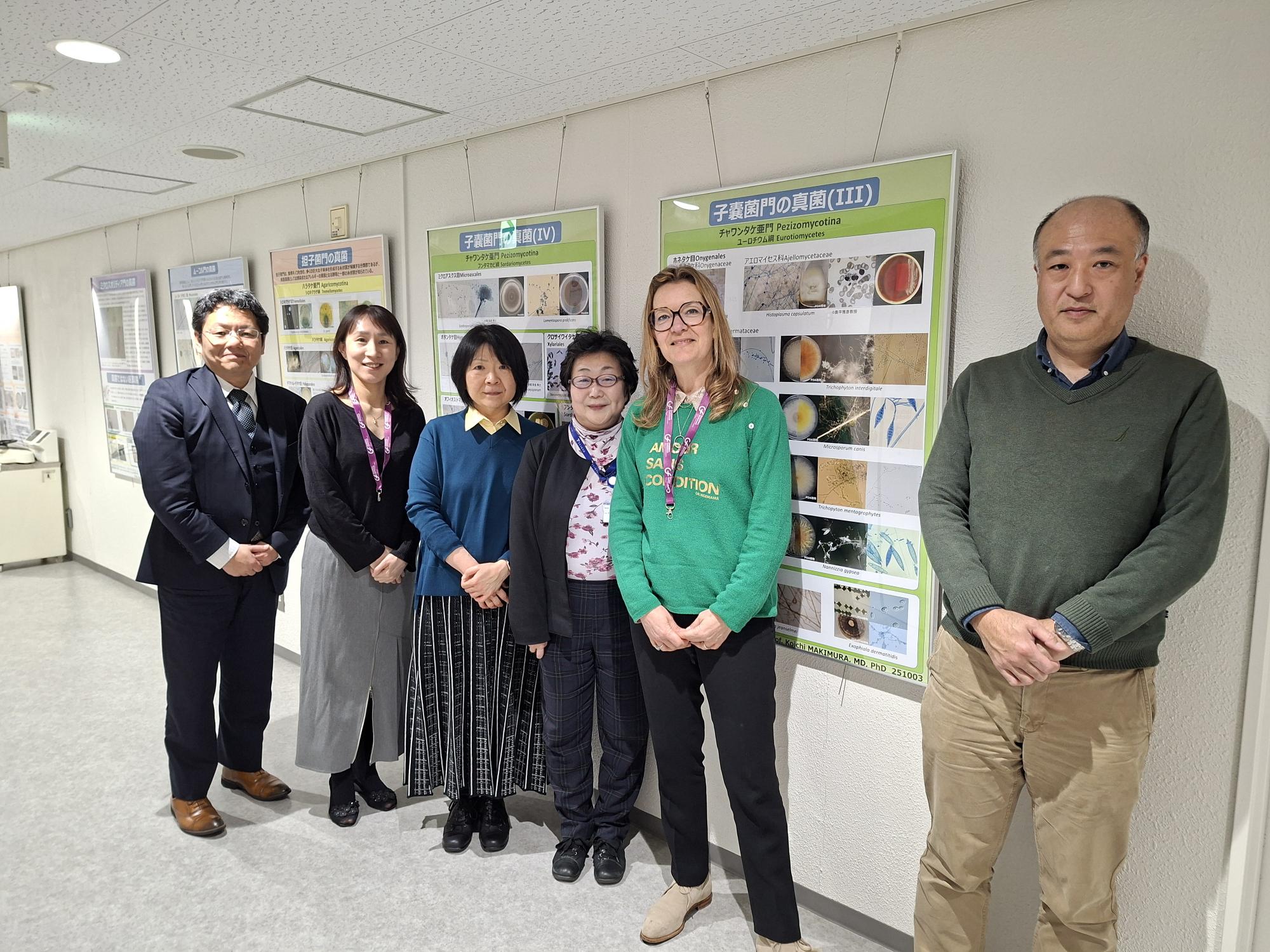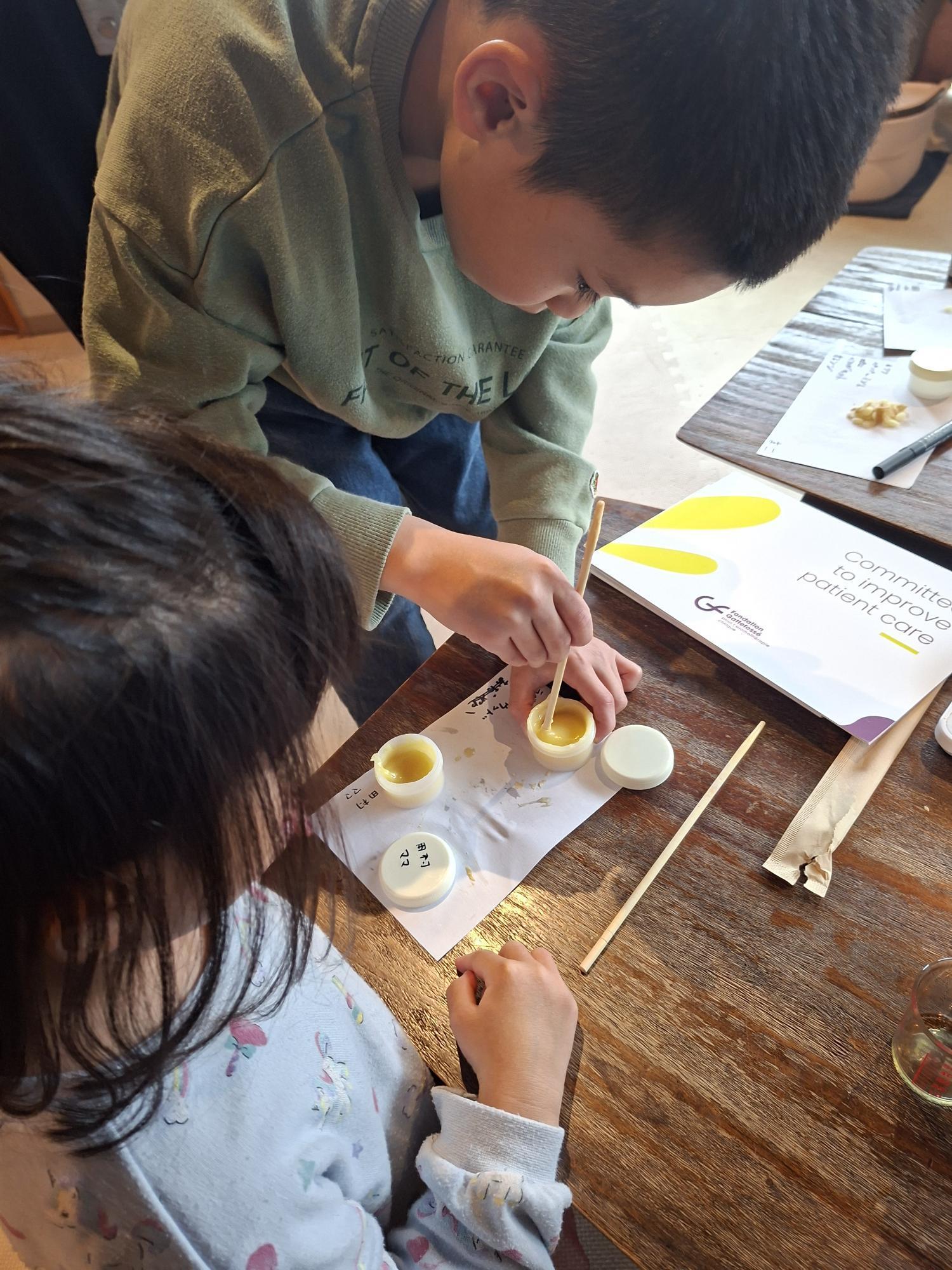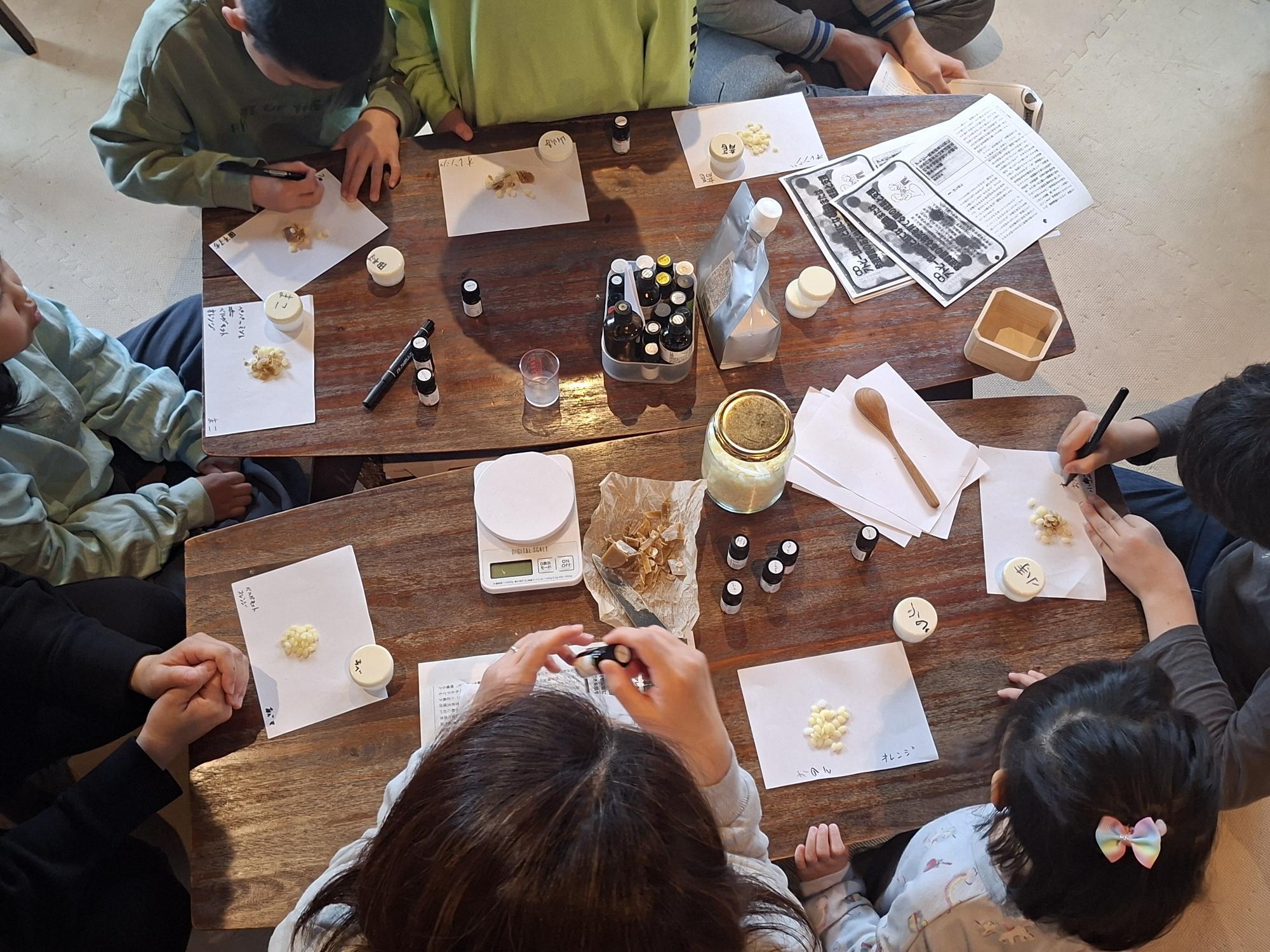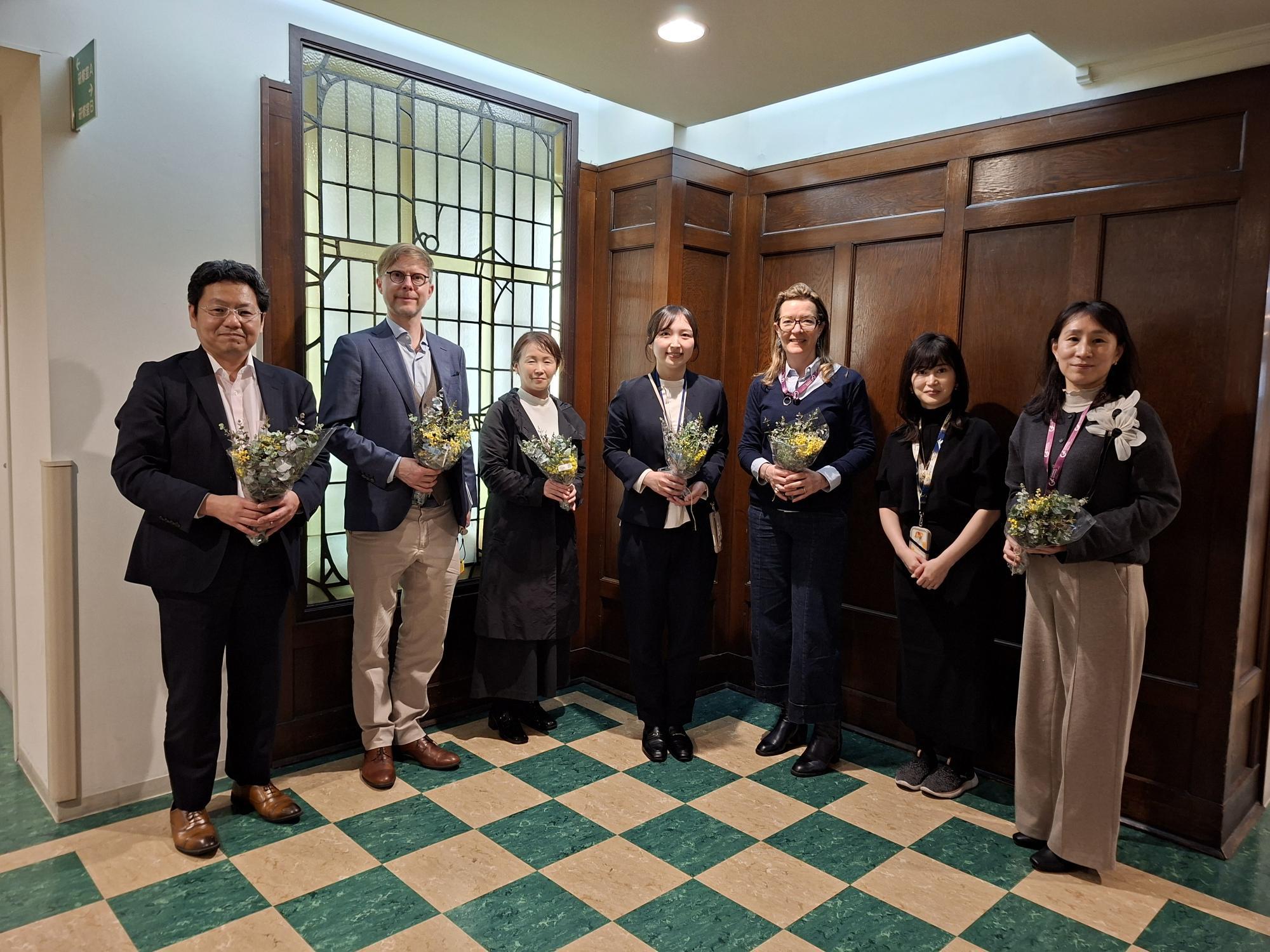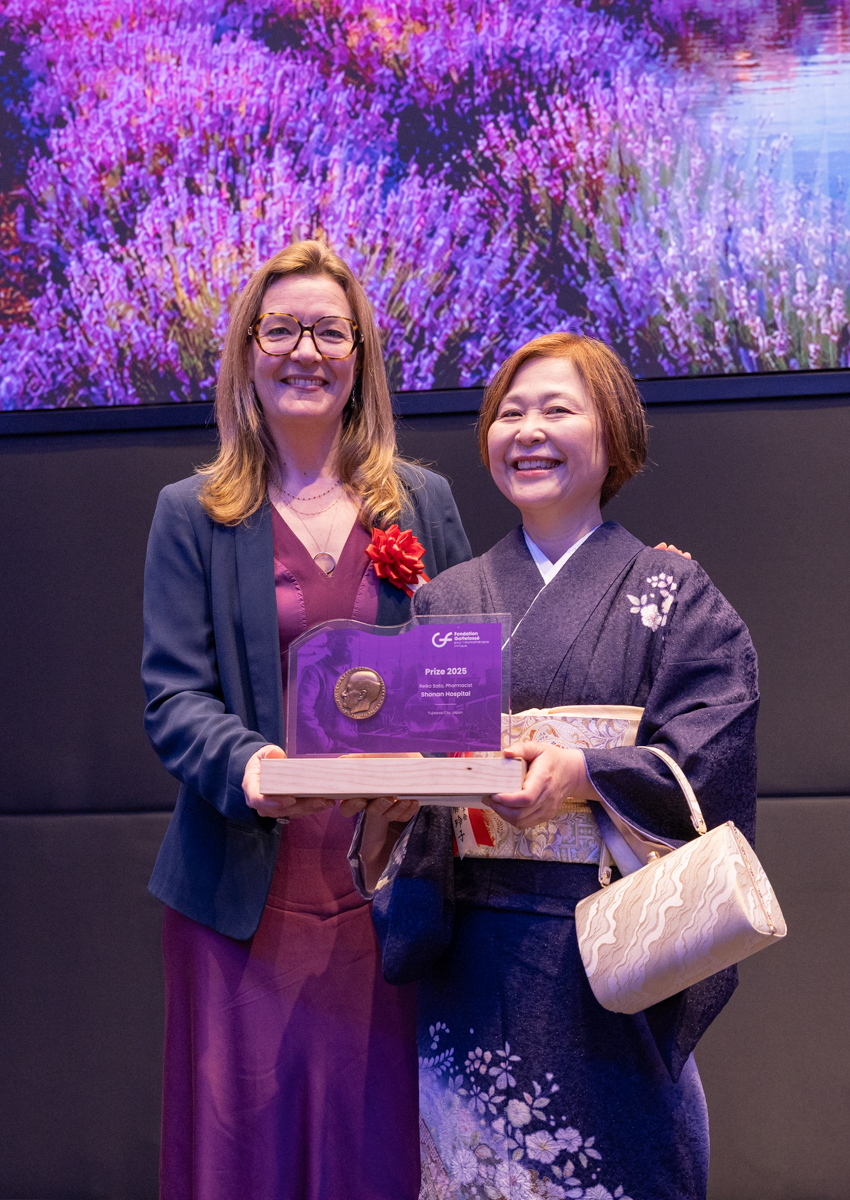
The Gattefossé Foundation presented the 2025 René-Maurice Gattefossé Prize to Ms Reiko Sato during an official ceremony in Yokohama, highlighting an exemplary integration of clinical aromatherapy within the Japanese healthcare system.
Spring in Japan begins with Sakura, the iconic cherry blossom season. A much-anticipated time of year, when nature awakens and the country is covered in beautiful shades of pink.
This year, however, the season held special significance for Ms Reiko Sato and her team at Shonan Hospital, with the presentation of the 2025 René-Maurice Gattefossé International Prize by the Gattefossé Foundation.
A prestigious official ceremony
The ceremony took place on March 24 in Yokohama, in the presence of distinguished guests, including three members of the Japanese National Diet and the Mayor of Fujisawa City.
Each of them expressed their congratulations to Ms Reiko Sato, recognizing the quality and impact of her work.
On this occasion, Delphine Marchaud, Director of the Gattefossé Foundation, officially presented the 2025 RMG Prize to Ms Reiko Sato.
Dr Sato also shared insights into her work and the results achieved at Shonan Hospital. Her approach, based on the rigorous integration of aromatherapy in a hospital setting, has enabled:
- the development of structured and safe protocols
- the integration of complementary care into patient pathways
- and the coverage of these treatments by the hospital
She notably demonstrated that the use of essential oils can contribute to reducing certain medication costs, while improving patient comfort.
A favorable context for clinical aromatherapy in Japan
Japan is facing a rapidly aging population, which increases the need for managing chronic diseases and maintaining quality of life.
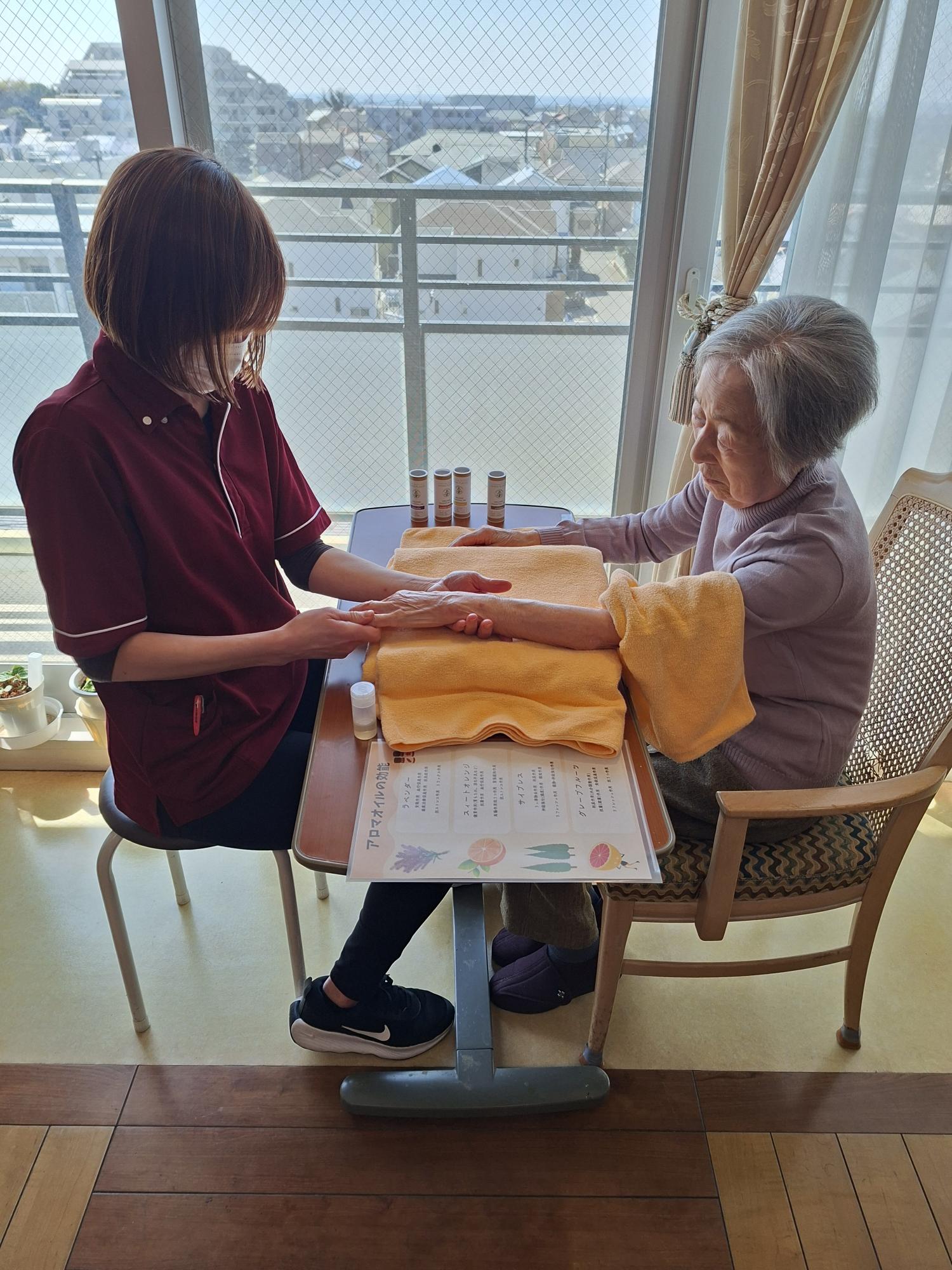
In this context, aromatherapy is widely used, particularly in geriatrics and palliative care. It helps support patients by addressing symptoms such as fatigue , anxiety and pain. Practices mainly rely on olfaction, as well as massage or gentle touch protocols, using low-concentration formulations (1–2% essential oils in a vegetable oil), particularly for skin care.
In addition, a professional clinical aromatherapy association in Japan brings together healthcare professionals and contributes to advancing training and regulatory discussions.
An integrative approach embedded in the healthcare system
The Japanese healthcare system is characterized by an integrative approach, combining Western medicine and traditional Kampo medicine, based on plant therapies.
Physicians are trained in both approaches, which encourages openness to complementary therapies, including aromatherapy.
This award fully reflects the mission of the Gattefossé Foundation to promote rigorous, evidence-based, and integrated clinical aromatherapy.
The work of Ms Reiko Sato stands today as an inspiring international example, demonstrating that aromatherapy can be successfully integrated into healthcare systems that embrace integrative medicine.