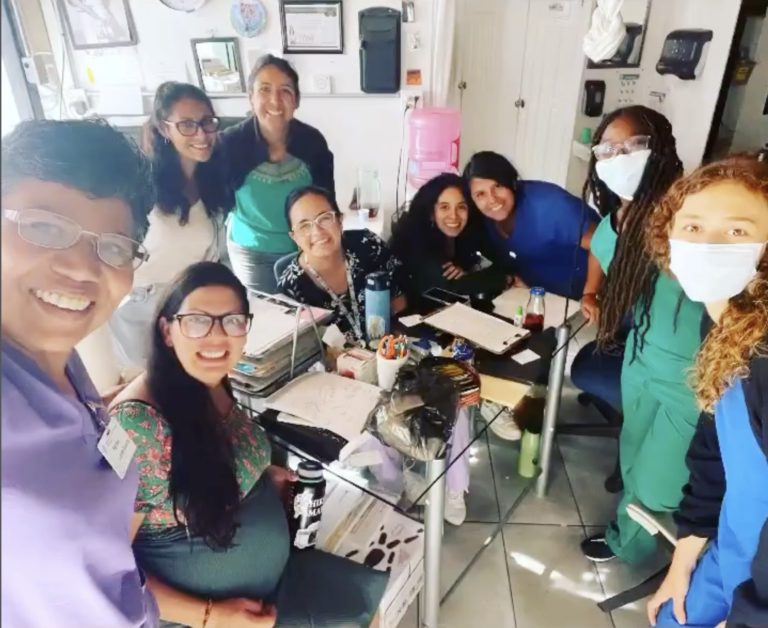
Herbalists Without Borders (HWB) is an international humanitarian network providing aromatherapy and herbal care in regions affected by natural disasters, conflict, or humanitarian crises. Their volunteers offer accessible, compassionate support to vulnerable populations worldwide, including communities with little or no access to healthcare.
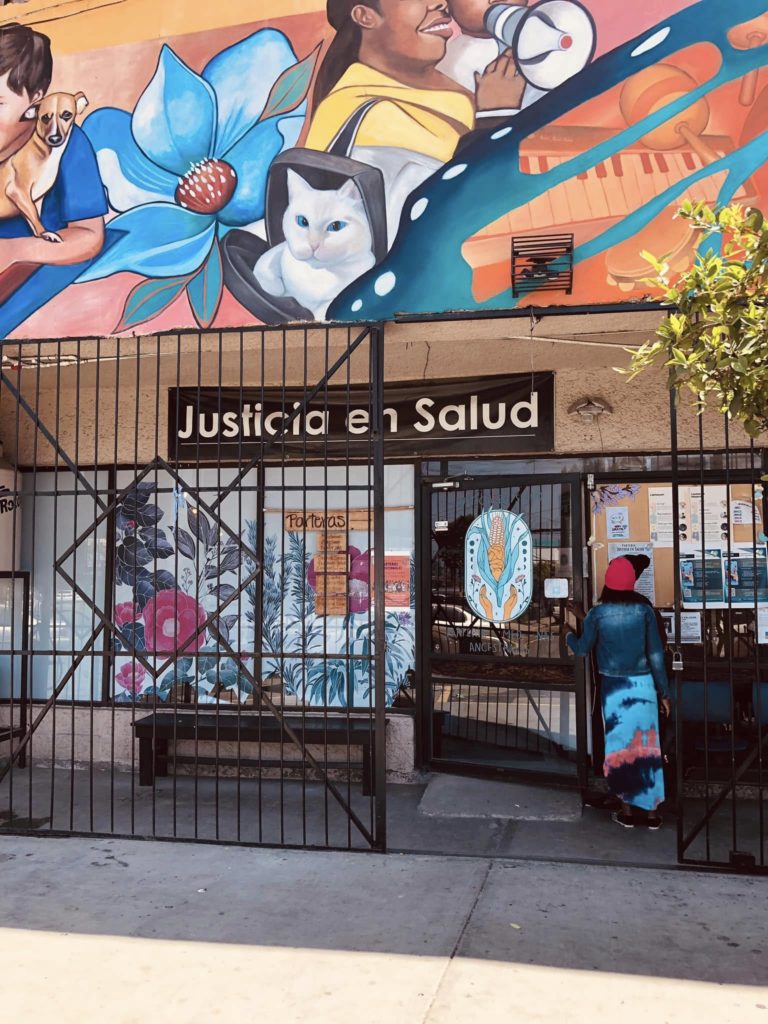
The Gattefossé Foundation has contributed to one of their initiatives by donating $1,000 worth of materials to support a project dedicated to pregnant women living in refugee camps in Tijuana, on the border between Mexico and the United States. Many of these women, often from Central American countries, are unable to enter the U.S. and cannot safely return to their home countries.
First Distribution of Aromatic Care Kits
In November, HWB volunteers distributed the first aromatic care kits, which included:
- relaxing foot bath salts infused with essential oils,
- anti-stress inhalers (lavender, sweet orange, cedarwood, ylang-ylang, and Roman chamomile).
To facilitate their use, all packages were labeled in both English and Spanish.
Preparing New Kits for Winter
As winter approaches, the HWB team is preparing additional kits using the remaining donated materials, including:
- the much-appreciated chamomile lotion,
- a postpartum belly oil (mama belly oil),
- a skin balm to address irritation commonly observed in the camps.
The team works closely with midwives and doulas in the refugee camps to ensure the care provided is relevant, safe, and supportive for pregnant and postpartum women.
A Shared Commitment to Integrative Health
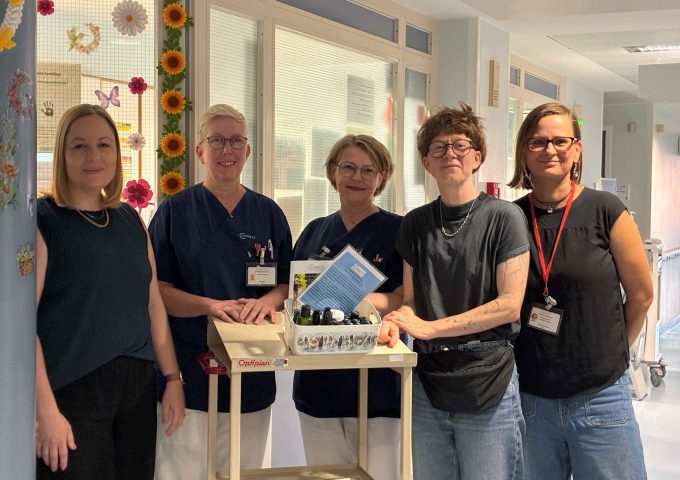
The Gattefossé Foundation acknowledges the dedication of HWB’s volunteer teams and is proud to support this initiative. By contributing to this project, the Foundation reinforces its mission to support the safe and responsible use of essential oils in humanitarian and community settings.
This collaboration highlights how essential oils and herbal care – when properly taught, responsibly used, and grounded in evidence—can offer meaningful support far beyond hospital walls, reaching refugee camps, shelters, and crisis-affected communities.